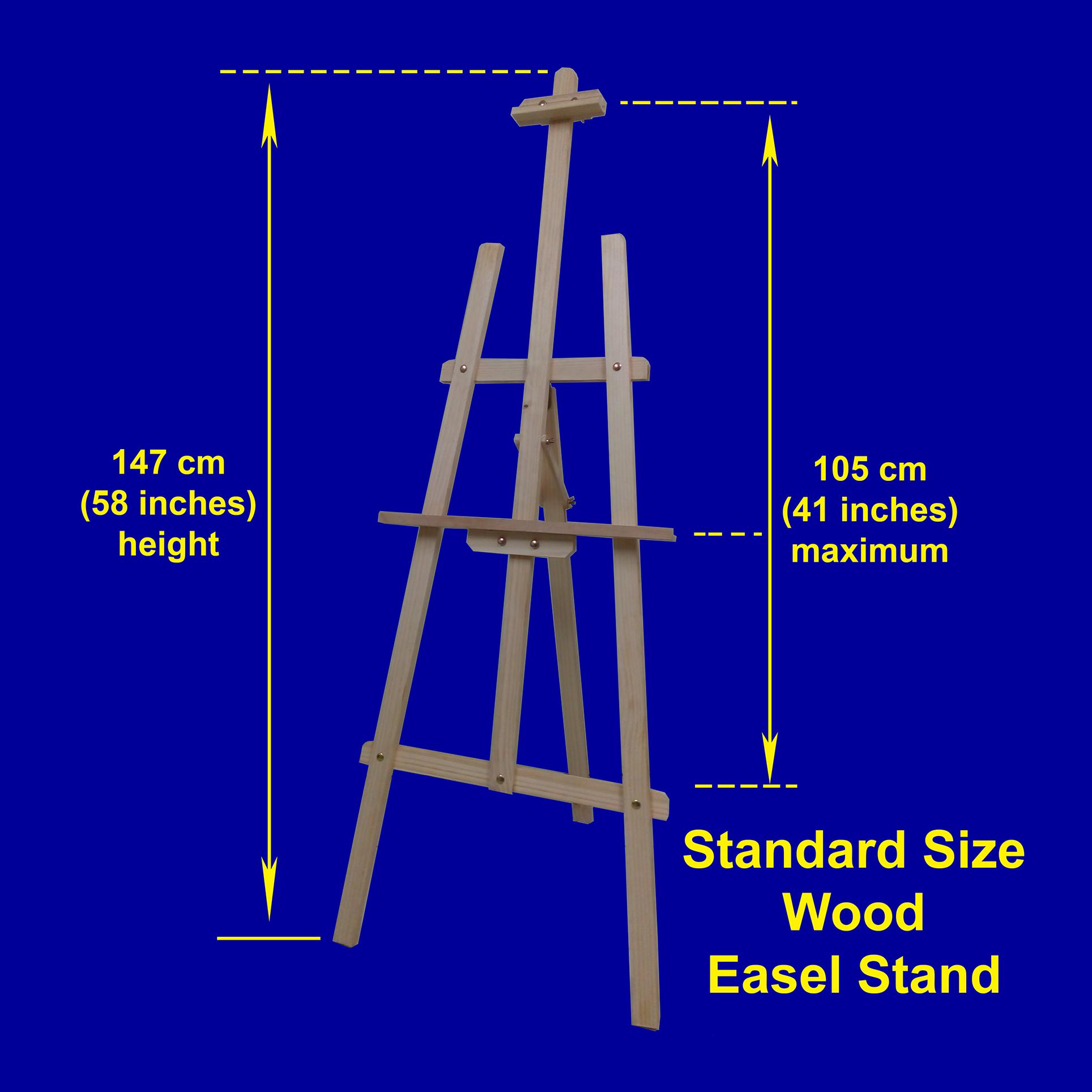

Wood Canvas Painting transforms ordinary wooden surfaces into vibrant deeds of art, confluence craft with creative look. Unlike traditional canvas, wood offers a indestructible, natural foundation that enhances texture and depth, making every brushstroke feeling grounded and authentic. This art descriptor invites artists and DIY enthusiasts likewise to explore new dimensions where woodwind becomes more than structure, it becomes a canvass alive with coloring and resource. Whether you're restoring an old mesa, scheming custom furniture, or crafting cosmetic pieces, Wood Canvas Painting opens endless possibilities for personalization and beauty. By reason the materials, techniques, and inspiration slow this intermediate, anyone can unlock their esthetic potential and make durable, meaningful pieces that reflect their alone style.
Understanding Wood Canvas Painting: Materials and Surface Preparation
To start Wood Canvas Painting effectively, selecting the mighty wood rise is indispensable. Common choices include pine, oak, birch, and reclaimed wood, each oblation decided cereal patterns and textures that influence the last artwork. Before painting, right prep ensures paint adheres well and lasts longer. Start by cleanup the wood soundly to hit junk, oils, or residues use a mild wood cleaner or friction alcohol. Sanding is crucial: commence with harsh grit (80 120) to smooth rough edges, then progress to fine backbone (180 220) for a silky finish. This footmark prevents paint from clinging unequally and reveals the innate beauty below. Applying a woods priming or gesso creates a static base, specially important for porous or uneven surfaces. A well fain forest canvass not only improves appearing but also protects the art from warp or fading over sentence.
| Material | Characteristics | Best For |
|---|---|---|
| Pine | Affordable, tripping colouring, loosely grain | Beginner projects, agrestic decor |
| Oak | Durable, pronounced grain, warm tone | Furniture, statement art pieces |
| Birch | Smooth, pallid, ticket grain | Detailed illustrations, new designs |
| Reclaimed Wood | Eco favorable, weathered patina, unparalleled account | Sustainable art, vintage divine deeds |
| Preparation | Clean, sand, prime | Ensures paint longevity and adherence |
| Grain Direction | Follow rude grain lines | Enhances visual harmony and depth |
| Surface Weight | Choose tough woodwind for boastfully pieces | Prevents warping under grave paint layers |
Note: Always tryout pigment on a chip composition of woodwind before starting this helps forecast how colours will act and ensures compatibility with your chosen rise.
Note: When working with rescued woodwind, audit for nails, matchwood, or chemical treatments that may strike paint timber or safety.
The quality of paint case significantly impacts results. Acrylics are popular for their versatility, quickly drying, and still of cleanup, while oil based paints offer rich, luminous finishes with slower drying times. Enamel and lacquer provide durability, idealistic for richly traffic areas. Whichever medium you quality, secure it s formulated for wood surfaces to forbid peeling or cracking. Proper layering start with base tones, building depth gently enhances profusion and dimension. Using thin, even coats allows each level to dry properly, reducing the risk of bubbles or variability. Finishing with a clearly sealer protects the art from moisture, UV rays, and daily habiliment, preserving its vibrancy for years.
Essential Techniques for Mastering Wood Canvas Painting
Mastering Wood Canvas Painting involves blending technological skill with originative sight. Begin by sketching your pattern lightly with pencil or fusain this acts as a roadmap, directing your brushwork without lasting marks. For precision, use masking tape to define clean edges, peculiarly around geometric shapes or inscription. Layering is fundamental: start with unsubtle washes to establish background tones, then build complexity with mid tones and highlights. Gradual buildup prevents overwhelming the surface and allows colors to interact naturally.
Note: Use ticket brushes for details and wider ones for backgrounds this contrast enhances visual balance and focus.
Texture adds depth and tactile interest. Experiment with dry brush exploitation minimum blusher on a strong copse to suggest cereal, framework, or weathered surfaces. Impasto techniques, applying thickly rouge with pallet knives, make spectacular relief, peculiarly effectual on expressive portraits or abstractionist forms. Glazing thin, sheer layers deepens shadows and enriches coloration saturation, loaning a aglow quality to landscapes or still lifes.
Note: Practice shading contiguous colors while wet to avoid rough lines; patience yields smoother transitions and more instinctive effects.
Color selection shapes temper and meaning. Warm hues same ochre and terracotta echo comfort and energy, while cool tones such as indigo and teal inspire unagitated and sophistication. Monochromatic schemes mix compositions, whereas complemental contrasts draw attention to focal points. Always think lighting weather natural easy reveals true semblance, while unreal weak alters perception. Test pigment samples below dissimilar illumination earlier finalizing to control body.
Note: Use color wheels and swatches to program palettes before, ensuring concordance and emotional resonance in your artwork.
Note: Protect finished pieces with a matte or satin seal to reduce glare and guard against junk and humidity.
Each fortuity contributes to the narration whether capturing a serene forest scene or a bold urban mural. Patience, practice, and care to item metamorphose wood from neutral corporeal into a surviving canvas, inviting viewers to see beyond the rise and into the artist s soul.
Inspiration and Creative Applications
Wood Canvas Painting thrives on inspiration haggard from nature, finish, and personal experience. Forest landscapes, floral motifs, and abstract patterns offer timeless themes, while cultural symbols, syndicate heirlooms, or handwritten quotes add suggest meaning. Furniture restoration breathes new lifespan into disregarded pieces turning an old chest into a drift wall or a dining mesa into a storytelling centerpiece. Custom signage, bulwark art, and decorative boxes supply to functional yet æsthetic needs, shading utility with beauty.
Note: Incorporate motley media such as ink, golden leaf, or framework to raise texture and add unexpected visual depth.
From minimalist Scandinavian designs to vivacious Latin American folks art, styles vary widely, reflecting diverse esthetics and traditions. Experimenting with exfoliation large murals versus small, intimate panels expands originative boundaries. Seasonal themes, holidays, or personal milestones barrack timely works that vibrate emotionally. Each projection becomes a dialogue between artist and material, evolving through trial, reflection, and elaboration.
Note: Document your appendage with photos and notes this builds a portfolio and reveals growing over time.
Whether personal construction or divided heritage, Wood Canvas Painting connects yesteryear and present, transforming wood into a watercraft of storage, individuality, and beaut.
Note: Share your creations with others community feedback fuels motivation and inspires new directions.
By embrace technique, intention, and legitimacy, Wood Canvas Painting becomes more than a craft it becomes a lifelong journey of breakthrough, where every man tells a taradiddle carven in color and care.
Related Terms:
- originative shipway to key woodwind
- cosmetic picture on woodwind
- easy painting ideas on woodwind
- decorative forest painting projects
- woodwind canvas boards for painting
- painting wood crafts for beginners