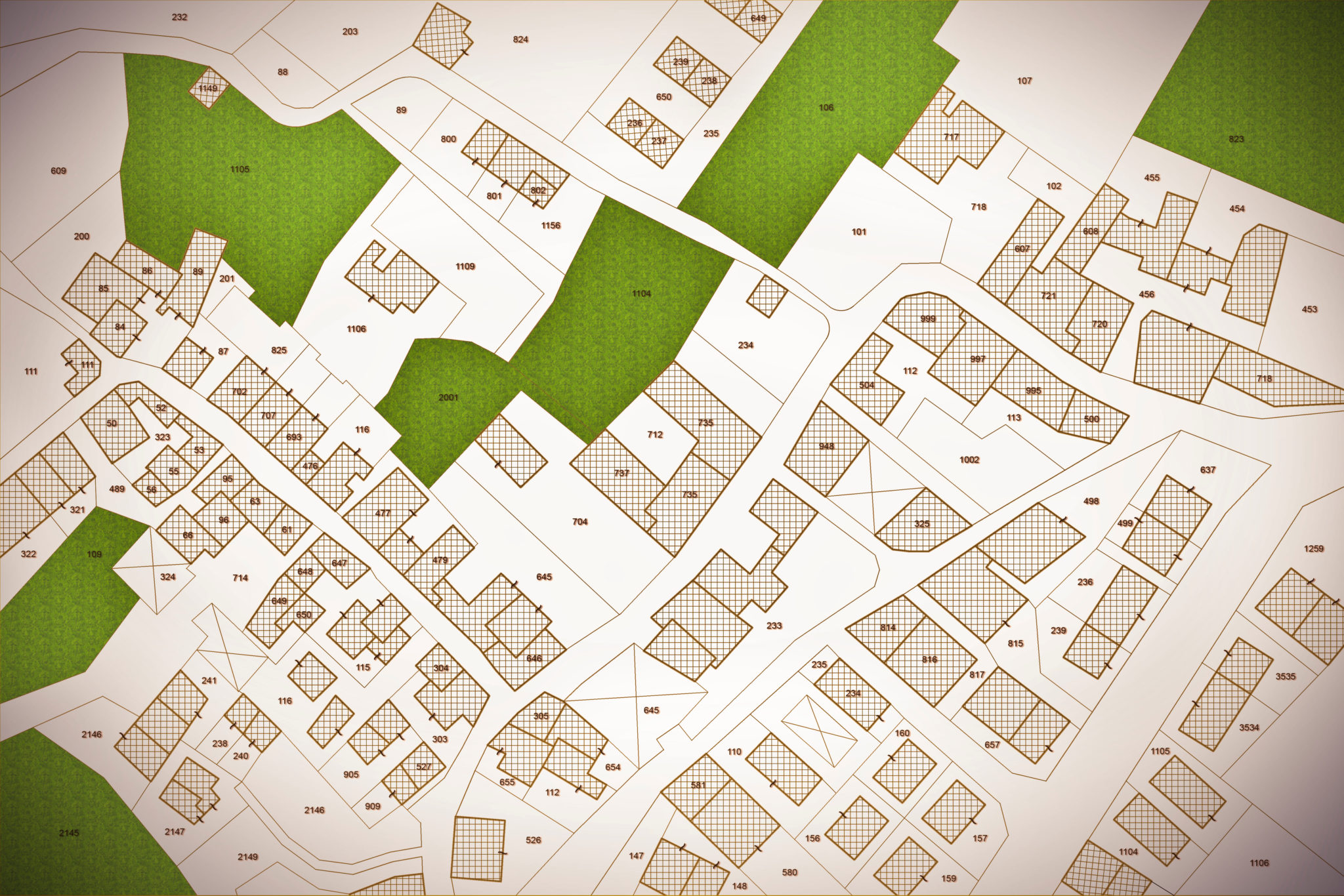

In the region of math and geometry, the conception of a plot is rudimentary. Understanding what is a plot involves delving into the intricacies of geometric shapes and their properties. A plot, short for "plat of survey", is a detailed map or diagram that outlines the boundaries and features of a specific piece of land. It is a essential papers in land surveying, real estate, and urban preparation. This blog post will research the significance of plats, their components, and their applications in various fields.
Understanding the Basics of a Plat
A plat is basically a scaley drawing that represents the physical features and boundaries of a tract of domain. It is confirmed to launch the legal description of the land, which is indispensable for prop proceedings, zoning, and developing. The plot includes diverse elements such as property lines, easements, and improvements. Understanding these components is key to greedy the good scope of what a plot entails.
Components of a Plat
A distinctive plat includes several key components that provide a comp overview of the country. These components are:
- Property Lines: These are the boundaries that define the extent of the nation. They are intelligibly pronounced on the plot to avoid any disputes over ownership.
- Easements: These are rights granted to others to use the land for specific purposes, such as utility lines or approach roads. Easements are crucial for maintaining infrastructure and ensuring approach.
- Improvements: These include any structures or features added to the land, such as buildings, roads, and fences. Improvements are celebrated on the plat to provide a clear exposure of the land's current state.
- Legal Description: This is a scripted description of the land that includes its boundaries, dimensions, and any relevant sound information. The sound description is often included on the plot for reference.
- Scale and Orientation: The plat includes a scale to indicate the size of the land and an preference to show the instruction of the boundaries. This helps in accurately rendition the plot.
Types of Plats
Plats can be categorized into dissimilar types based on their purpose and the entropy they check. The most mutual types of plats are:
- Subdivision Plat: This case of plot is confirmed to divide a larger parcel of demesne into littler much for evolution. It includes elaborate information about the layout of the much, streets, and other improvements.
- Condominium Plat: This plat is used for condo developments and includes entropy about the individual units, common areas, and boundaries.
- Survey Plat: This is a oecumenical plat that provides an overview of the land's boundaries, features, and improvements. It is frequently used for sound and administrative purposes.
- Topographic Plat: This plot includes elaborate entropy about the land's topography, such as aggrandizement, slopes, and natural features. It is utilitarian for technology and construction projects.
Applications of Plats
Plats are confirmed in diverse fields and have legion applications. Some of the key areas where plats are substantive include:
- Real Estate: Plats are crucial for attribute proceedings, as they provide a clear and sound description of the soil. They help in determining holding values, boundaries, and easements.
- Urban Planning: Plats are used in urban provision to design and develop earth for residential, commercial, and industrial purposes. They help in creating efficient and sustainable urban environments.
- Land Surveying: Plats are the primary tools used by land surveyors to bill and map land. They supply precise and elaborated entropy about the land's boundaries and features.
- Engineering and Construction: Plats are essential for technology and construction projects, as they provide elaborate information about the land's topography and improvements. They assistant in preparation and execution structure projects efficiently.
Creating a Plat
Creating a plot involves several steps, each of which requires precision and attention to contingent. The appendage typically includes the following stairs:
- Field Survey: The first step is to carry a field survey to gathering accurate information about the land's boundaries, features, and improvements. This involves using surveying equipment and techniques to metre the earth.
- Data Collection: The next step is to cod and organize the data collected during the arena survey. This includes recording measurements, taking photographs, and documenting any relevant data.
- Drafting the Plat: Using the collected information, a elaborated drafting of the land is created. This includes grading the prop lines, easements, improvements, and other relevant features.
- Review and Approval: The conscription plot is reviewed for truth and completeness. It is then submitted for blessing to the relevant government, such as the local government or planning commission.
- Finalization: Once approved, the plot is finalized and recorded with the appropriate realm records spot. This makes it a legal document that can be secondhand for property transactions and other purposes.
Note: The outgrowth of creating a plat can motley depending on the case of plat and the particular requirements of the labor. It is crucial to adopt local regulations and guidelines to secure the plat is precise and legally binding.
Importance of Accurate Plats
Accurate plats are crucial for various reasons. They leave a clear and sound description of the farming, which is crucial for property proceedings, zoning, and development. Accurate plats help in avoiding disputes over prop boundaries and easements. They also ensure that realm is confirmed efficiently and sustainably, which is crucial for urban planning and environmental preservation.
Inaccurate plats can lead to several problems, including:
- Boundary Disputes: Inaccurate plats can termination in disputes over property boundaries, preeminent to legal battles and fiscal losings.
- Zoning Issues: Inaccurate plats can crusade zoning issues, as they may not comply with local regulations and guidelines. This can result in delays and extra costs for development projects.
- Environmental Impact: Inaccurate plats can pass to environmental degradation, as they may not account for natural features and ecosystems. This can result in habitat exit, befoulment, and other environmental problems.
Challenges in Plat Creation
Creating a plot can be challenging due to assorted factors. Some of the mutual challenges include:
- Complex Terrain: Land with complex terrain, such as extortionate slopes or irregular shapes, can be unmanageable to survey and map accurately.
- Historical Records: Inaccurate or uncomplete diachronic records can make it ambitious to determine the accurate boundaries and features of the land.
- Legal and Regulatory Requirements: Compliance with local regulations and guidelines can be composite and meter consuming. It is important to check updated with the modish requirements to secure the plat is exact and legally dressing.
- Technological Limitations: The truth of a plat depends on the surveying equipment and techniques confirmed. Outdated or inadequate technology can resolution in inexact measurements and maps.
To overcome these challenges, it is significant to use advanced surveying techniques and equipment, stay updated with local regulations, and consult with experient professionals.
Future Trends in Plat Creation
The field of plot world is evolving rapidly, impelled by advancements in technology and changes in regulatory requirements. Some of the hereafter trends in plat universe include:
- Use of Drones: Drones are progressively being used for land surveying, as they provide a cost effective and efficient way to gathering data. They can seizure richly resolution images and videos, which can be used to generate elaborated and exact plats.
- 3D Modeling: 3D modeling technology is being used to create elaborate and synergistic plats. These models provide a comp thought of the land, including its topography, features, and improvements.
- Geographic Information Systems (GIS): GIS technology is being used to integrate plats with other spatial data, such as maps, satellite images, and environmental information. This provides a holistic prospect of the estate and its environs, which is useful for urban preparation and environmental preservation.
- Automation and AI: Automation and artificial tidings (AI) are being secondhand to streamline the process of plat creation. AI algorithms can psychoanalyze data and create plats quickly and accurately, reducing the time and endeavor compulsory.
These trends are expected to revolutionize the theater of plat existence, devising it more efficient, exact, and sustainable.
Plats are essential documents that provide a plumb and legal description of land. They are used in various fields, including very estate, urban preparation, land surveying, and technology. Understanding what is a plot and its components is crucial for anyone involved in land related activities. Accurate plats help in avoiding disputes, ensuring submission with regulations, and promoting sustainable land use. As technology continues to evolve, the appendage of plat creation is becoming more efficient and precise, pavage the way for better land direction and development.
Related Terms:
- what is a qualified plat
- what does a plat meanspirited
- what is plat map
- what's a plot map
- what is a town plot
- what is a plot gens