
Understanding the intricacies of septic battlefield cost is essential for homeowners, peculiarly those in rural areas or properties not connected to municipal sewerage systems. A infected system is an essential component of wastewater management, and its installation and sustentation can significantly shock your budget. This pathfinder will pass you through the various factors that influence septic field price, the installing appendage, and tips for maintaining your infected scheme to control seniority and efficiency.
Understanding Septic Systems
A septic system is a ego contained, belowground effluent discourse scheme. It typically consists of a septic tankful and a drainpipe battleground, also known as a leaching champaign or infected field. The septic tank collects and separates solids from liquids, allowing the liquids to menstruation into the drain domain for farther discussion and dispersal into the land.
There are respective types of infected systems, each with its own advantages and price implications:
- Conventional Systems: These are the most common and comprise of a infected tank and a drain plain.
- Chamber Systems: These use chambers rather of rag and pipe to stagger effluent.
- Drip Distribution Systems: These use dribble tubing to distribute wastewater evenly across the drainage field.
- Mound Systems: These are designed for areas with high water tables or shallow soil depths.
- Aerobic Treatment Systems: These use oxygen to treat effluent, making them more effectual in treating certain types of wild.
Factors Affecting Septic Field Cost
The price of installing a infected sphere can vary widely based on several factors. Understanding these factors can help you budget more accurately and shuffle informed decisions.
Size of the System
The size of the septic system is one of the elementary factors touching the infected field cost. The sizing is determined by the figure of bedrooms in the menage, the squarely footage, and the expected piddle usance. Larger systems will naturally price more due to the increased materials and labor required.
Type of Soil
The type of soil on your holding can importantly shock the price. Soil that is too bouldered, sandy, or clay comparable may require additional cooking or specialized systems, such as hammock systems, which can growth the overall cost.
Location and Accessibility
The location of your holding and the availability of the installation site can also affect the cost. Remote or intemperately to range areas may expect additional labor and equipment, driving up the septic battlefield toll. Additionally, local regulations and permitting requirements can vary, affecting the boilersuit disbursement.
Permits and Inspections
Obtaining the necessary permits and inspections is a crucial footprint in the installation summons. The toll of permits can motley by placement, and bankruptcy to follow with local regulations can resolution in fines and extra expenses. It's essential to agent in these costs when budgeting for your septic system.
Additional Features
Some homeowners may opt for extra features, such as outflowing filters, risers, or advanced treatment systems, which can increment the infected sphere price. While these features may raise the system's performance and seniority, they come at an extra expense.
Installation Process
The installing of a septic system involves respective steps, each requiring careful preparation and execution. Here s a dislocation of the procedure:
Site Evaluation
The first stair is to measure the site to determine the better location for the septic tank and drainpipe battleground. This involves assessing the soil type, weewee table, and topography. A professional septic installer will direct a percolation examination to ensure the land can adequately absorb and dainty the effluent.
Design and Permitting
Once the situation is evaluated, the following step is to design the scheme and obtain the necessary permits. The innovation will include the layout of the septic tank, drain field, and any extra components. Permits are typically required from local health departments or environmental agencies.
Excavation
Excavation involves digging the trenches for the infected tank and drainpipe field. This step requires sonorous equipment and skilled travail. The depth and width of the trenches will depend on the design specifications and soil weather.
Installation of the Septic Tank
The septic tank is installed in the excavated country and connected to the home's plumbing system. The tank is typically made of concrete, fibreglass, or moldable and is intentional to divide solids from liquids.
Installation of the Drain Field
The drain battleground is installed by laying perforated pipes in the trenches and screening them with gravel or other holey materials. The pipes distribute the effluent evenly crosswise the drainage field, allowing it to ooze into the dirt for natural discussion.
Backfilling and Landscaping
After the septic cooler and drain arena are installed, the trenches are backfilled with soil. The country is then landscaped to restitute the situation to its original condition. It's significant to avoid planting trees or heavy vegetation near the infected study, as their roots can damage the system.
Note: Always hire a accredited and experienced septic installer to control the system is installed correctly and complies with local regulations.
Maintaining Your Septic System
Regular sustentation is essential to control the seniority and efficiency of your infected scheme. Proper precaution can help forbid pricy repairs and extend the living of your system. Here are some tips for maintaining your infected system:
Regular Inspections
Schedule steady inspections with a pro infected service provider. Inspections can assist name potential issues before they get major problems. It's recommended to have your scheme inspected every 1 3 years, depending on usance and local regulations.
Pumping the Septic Tank
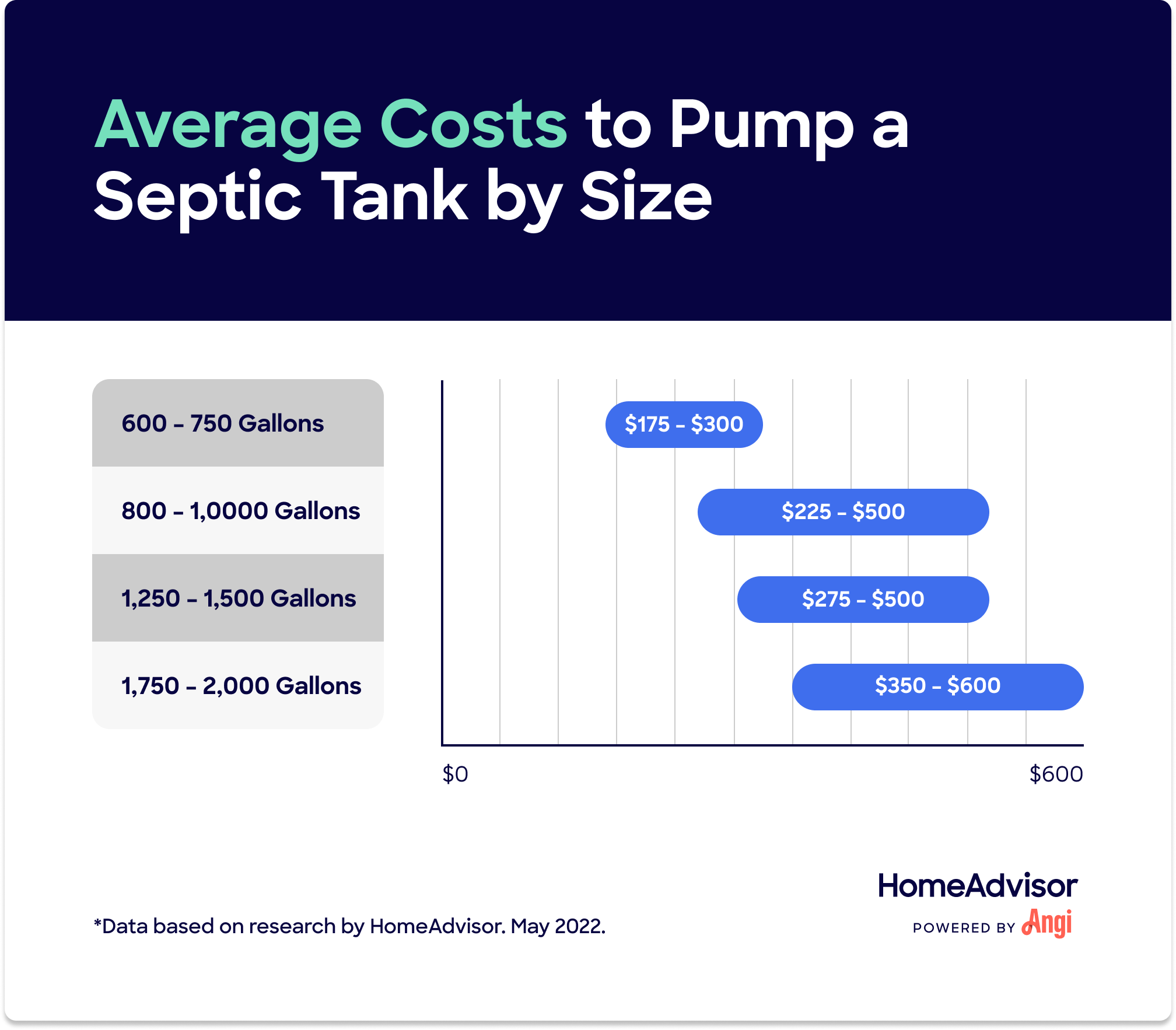
Septic tanks should be wired every 3 5 years to remove accumulated solids. Regular pumping helps prevent clogs and ensures the system operates efficiently. The frequence of pumping may vary based on the size of the tank and the issue of occupants in the house.
Water Conservation
Conserving water can help reduce the strain on your infected scheme. Fix leaks promptly, use air efficient appliances, and spread out weewee usance throughout the day to debar overwhelming the scheme.
Avoiding Harmful Substances
Certain substances can harm your septic system and increment the infected battlefield cost. Avoid flushing non biodegradable items, such as wipes, diapers, and masculine hygiene products. Additionally, limit the use of harsh chemicals, such as bleach and drain cleaners, which can disrupt the raw bacterial processes in the infected tank.
Protecting the Drain Field
The drainage field is a critical element of your infected system. To protect it, debar impulsive or parking vehicles over the area, and do not plant trees or fleshy flora nearby. Additionally, ensure that surface water, such as rain or runoff, is directed aside from the drain arena to keep intensity.
Common Issues and Troubleshooting
Even with right sustainment, infected systems can encounter issues. Recognizing the signs of problems betimes can service prevent costly repairs. Here are some uncouth issues and troubleshooting tips:
Slow Drains
Slow drains can indicate a overload in the infected system. Check for clogs in the plumbing fixtures and use a diver or drain snake to clearly them. If the matter persists, it may be a house of a more significant problem in the infected cooler or drainpipe field.
Foul Odors
Foul odors approach from drains or the infected field can argue a job with the system. Check for leaks or cracks in the infected tank and ensure the blowhole tube is plumb. If the smell persists, it may be essential to pump the cooler or visit the drain field.
Wet Spots in the Yard
Wet floater or standing water in the yard near the septic area can argue a trouble with the drainpipe champaign. This may be due to a clogged tube, a pure land, or a flunk system. Contact a pro infected service provider to visit the scheme and commend repairs.
Backups
Septic backups can be a sober issue, causation sewage to back up into the home. If you experience a reliever, debar using the plumbing scheme until the issue is solved. Contact a professional septic overhaul provider instantly to inspect and haunt the scheme.
Note: Regular sustentation and prompt attention to issues can assist prevent costly repairs and extend the life of your infected scheme.
Cost Considerations
Understanding the cost considerations associated with infected systems is essential for budgeting and planning. Here s a breakdown of the costs you can carry:
Initial Installation Cost
The initial instalment toll of a septic scheme can deviate widely based on the factors mentioned earlier. On modal, the infected field price for a schematic system can range from 3, 000 to 10, 000. More composite systems, such as aerobic treatment systems or cumulation systems, can cost significantly more.
Maintenance Costs
Regular upkeep is essential to keep your septic system operation right. The cost of upkeep can include inspections, pumping, and repairs. On ordinary, you can look to spend 200 to 500 per twelvemonth on maintenance, including pumping every 3 5 years, which can cost between 300 and 700.
Repair Costs
Repair costs can vary sorely depending on the nature of the problem. Minor repairs, such as fixing a clogged pipe, can price a few hundred dollars, while minor repairs, such as replacement the infected tank or drain field, can cost thousands. It's important to address issues promptly to debar more costly repairs in the hereafter.
Replacement Costs
The lifespan of a septic scheme can vary, but with right maintenance, it can finally 20 40 years. When it's metre to supercede the scheme, the toll can be significant. Replacing a infected scheme can price betwixt 5, 000 and 20, 000, depending on the case of scheme and the complexity of the induction.
Here is a board summarizing the distinctive costs associated with septic systems:
| Cost Category | Average Cost Range |
|---|---|
| Initial Installation | 3, 000 10, 000 |
| Annual Maintenance | 200 500 |
| Pumping | 300 700 (every 3 5 years) |
| Minor Repairs | 200 1, 000 |
| Major Repairs | 1, 000 5, 000 |
| System Replacement | 5, 000 20, 000 |
Understanding these cost considerations can help you budget more accurately and shuffle informed decisions about your infected system.
Septic systems are a critical factor of effluent direction for many homeowners. By intellect the factors that influence infected theater price, the installation operation, and the importance of regular maintenance, you can secure the longevity and efficiency of your scheme. Proper care and straightaway care to issues can help prevent pricy repairs and pass the animation of your septic scheme, providing peace of mind and a healthy surviving environs.
Related Terms:
- infected drain theater replacement toll
- typical infected leach plain toll
- toll to replace infected domain
- septic field substitute toll
- septic drain theater replacement price
- replace infected drain theatre cost