
In the digital age, the art of note fetching on books has evolved significantly. While traditional methods like pen and paper are still precious by many, digital tools have opened up new possibilities for capturing and organizing thoughts. This post will scour various methods and tools for efficient note taking on books, serving you to raise your indication experience and retain more info.
Traditional Methods of Note Taking on Books
For centuries, readers have relied on traditional methods to take notes while reading. These methods are elementary, efficacious, and do not expect any special tools. Here are some of the most common traditional methods:
- Highlighting and Underlining: Highlighting key passages or underlining authoritative sentences can help you quick identify crucial information when you revisit the ledger.
- Marginal Notes: Writing notes in the margins of the playscript allows you to jot depressed your thoughts, questions, and summaries without disrupting the flow of the textbook.
- Sticky Notes: Using sticky notes to mark pages and jot low notes is a flexible method that doesn't alter the playscript itself.
These methods are particularly useful for readers who prefer a haptic feel and relish the feeling of a forcible book. However, they can be limiting in damage of establishment and searchability.
Digital Tools for Note Taking on Books
With the rise of e books and digital interpretation devices, a plethora of digital tools have emerged to ease note taking on books. These tools offer advanced features that can raise your reading and note fetching see.
E Readers and Tablets
Devices like the Kindle, iPad, and other tablets come with reinforced in note taking features. These devices allow you to:
- Highlight textbook and add notes directly on the pageboy.
- Sync your notes crossways multiple devices.
- Search for particular notes or highlights inside the book.
for instance, on a Kindle, you can highlighting text by selecting it with your finger or stylus, and then add a note by tapping the "Add Note" selection. Your notes will be saved in the swarm and approachable from any device connected to your Kindle accounting.
Note: Some e readers have limitations on the numeral of highlights and notes you can add, so be aware of this when choosing your device.
Note Taking Apps
There are legion distinction taking apps uncommitted that can be confirmed in conjunction with e books or physical books. Some democratic options include:
- Evernote: A versatile app that allows you to generate notes, magazine web pages, and sync your notes across all your devices.
- Notion: A hefty all in one workspace that combines notes, tasks, databases, and more. It's highly customizable and hot for organizing complex information.
- OneNote: A digital notebook from Microsoft that offers a widely stove of features, including handwriting recognition, sound recording, and consolidation with other Microsoft Office apps.
These apps often semen with extra features like tagging, classification, and lookup functionality, devising it easier to organize and retrieve your notes.
Specialized Reading Apps
Some apps are specifically designed for reading and tone fetching on books. These apps often provide a seamless interpretation experience with unified note fetching features. Examples include:
- Goodreads: While primarily a societal program for book lovers, Goodreads allows you to trail your reading progress, save reviews, and take notes on books.
- Mendeley: A credit director and academic societal web that helps you unionise your inquiry, cite sources, and collaborate with others.
- Zotero: Another reference management creature that allows you to collect, organize, credit, and share inquiry.
These apps are peculiarly utilitarian for students and researchers who need to manage many references and notes.
Best Practices for Effective Note Taking on Books
Regardless of the method or creature you choose, there are some better practices that can assist you brand the most of your note fetching on books.
Be Selective
Don't try to capture every piece of data. Focus on the key points, arguments, and insights that are most relevant to your goals. Highlighting or noting too much can make it unmanageable to identify the most significant information subsequently.
Use Your Own Words
When fetching notes, try to paraphrasis the information in your own words. This helps reward your understanding and makes it easier to callback the information later. Avoid copying verbatim unless it's a direct quotation.
Organize Your Notes
Keep your notes organized by using headings, subheadings, bullet points, and other format tools. This makes it easier to pilot your notes and find specific entropy when you necessitate it.
Review and Reflect
Regularly revaluation your notes to reinforce your storage and reflect on what you've learned. This can be through instantly after reading or at even intervals. Reflecting on your notes can also help you identify gaps in your understanding and areas where you need to do more inquiry.
Comparing Traditional and Digital Note Taking
Both traditional and digital methods of annotation fetching on books have their advantages and disadvantages. Here's a comparing to help you decide which method might be better for you:
| Feature | Traditional Methods | Digital Tools |
|---|---|---|
| Ease of Use | Simple and intuitive | May require a scholarship curvature |
| Organization | Limited | Highly customizable |
| Searchability | Manual | Instant |
| Portability | Physical books can be bulky | Lightweight and portable devices |
| Environmental Impact | Paper custom | Eco favorable |
Ultimately, the quality between traditional and digital methods depends on your personal preferences and inevitably. Some readers may choose the tactile get of a forcible book, while others may appreciate the restroom and organization of digital tools.
Note: You can also cartel traditional and digital methods for a hybrid approach. for example, you might take notes on sticky notes while reading a physical record and then transfer them to a digital annotation fetching app for better organization.
Advanced Techniques for Note Taking on Books
For those looking to take their note taking on books to the next tied, there are several modern techniques and strategies you can employment. These techniques can help you extract more value from your indication and enhance your learning experience.
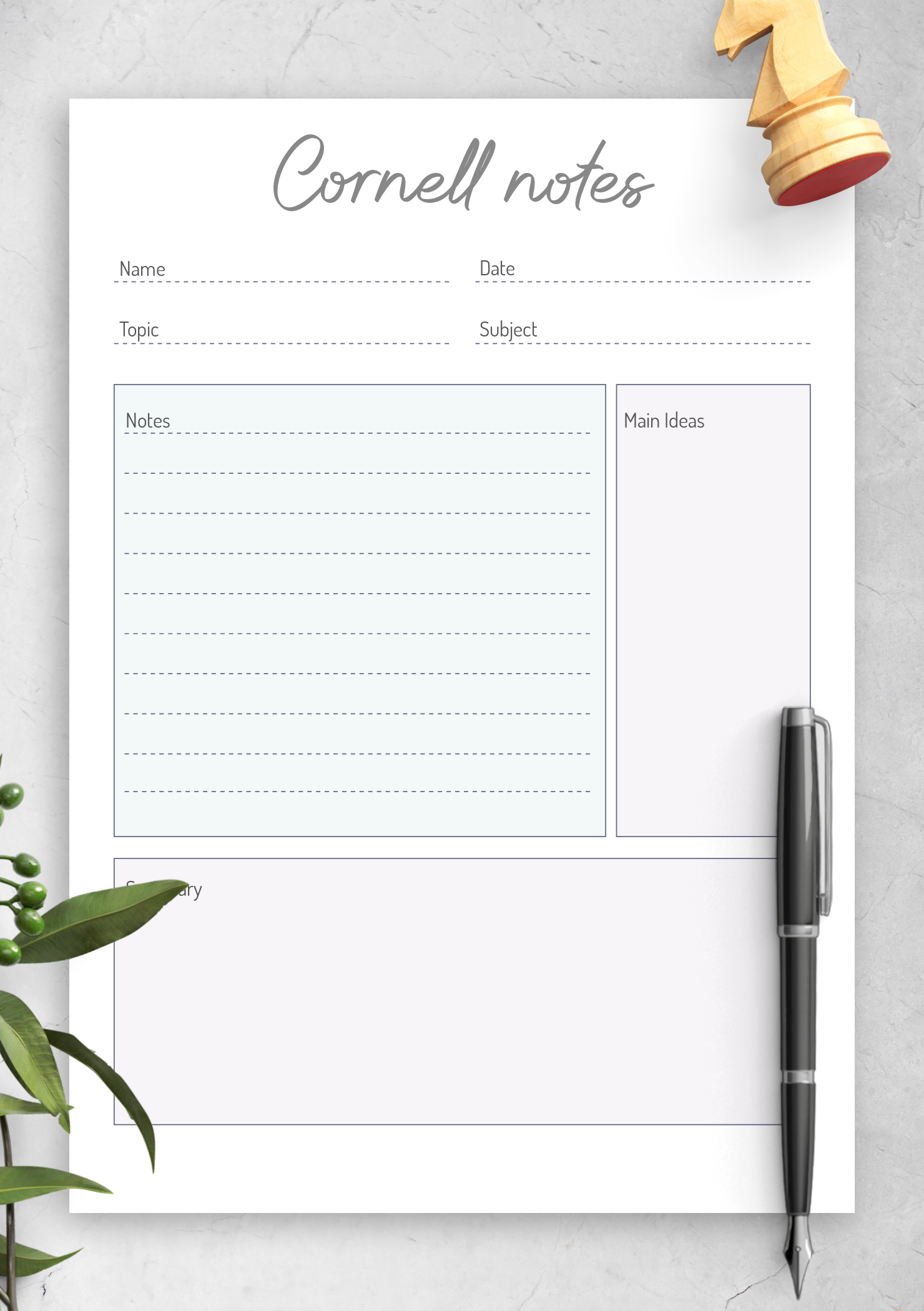
The Cornell Note Taking System
The Cornell Note Taking System is a democratic method that involves dividing your notes into iii sections: a cue pillar, a notes column, and a summary section. This scheme helps you direct your notes more effectively and reinforces your agreement of the corporeal.
Here's how it works:
- Divide your pageboy into iii sections: a minute column on the odd for cues, a wider column on the right for notes, and a summary section at the tail.
- As you read, take notes in the notes editorial, centering on key points and ideas.
- After finishing your notes, critique them and write cues or questions in the cue pillar that summarize the independent points.
- Finally, spell a brief compact of the notes in the compact department.
This scheme is particularly utile for students and researchers who require to review and reminiscence boastfully amounts of info.
The Feynman Technique
The Feynman Technique is a encyclopedism method developed by physicist Richard Feynman. It involves explaining complex concepts in simple damage, as if you were teaching them to someone else. This technique can be applied to billet fetching on books to deepen your apprehension and reenforce your memory.
Here's how it works:
- Choose a conception or mind from the book that you deficiency to understand better.
- Write mastered an explanation of the conception in your own row, as if you were teaching it to someone else.
- Identify any gaps in your understanding and go back to the book to filling them in.
- Review your account and elaborate it until you can explain the conception clear and plainly.
This proficiency is peculiarly utile for composite subjects and can help you gain a deeper agreement of the material.
Note: The Feynman Technique can be combined with other bill taking methods, such as the Cornell System, to generate a comprehensive encyclopaedism strategy.
Conclusion
Note taking on books is a valuable skill that can enhance your interpretation get and help you retain more info. Whether you prefer traditional methods comparable highlight and marginal notes or digital tools similar e readers and note fetching apps, there are legion options available to suit your needs. By following better practices and employing sophisticated techniques, you can brand the most of your distinction taking on books and gain a deeper understanding of the material you read. Experiment with unlike methods and tools to recover what works best for you, and enjoy the process of capturing and organizing your thoughts.
Related Terms:
- minor note fetching playscript
- best notebook to take notes
- tone taking strategies book
- best books on distinction fetching
- how to compose script notes
- how to bring reading notes