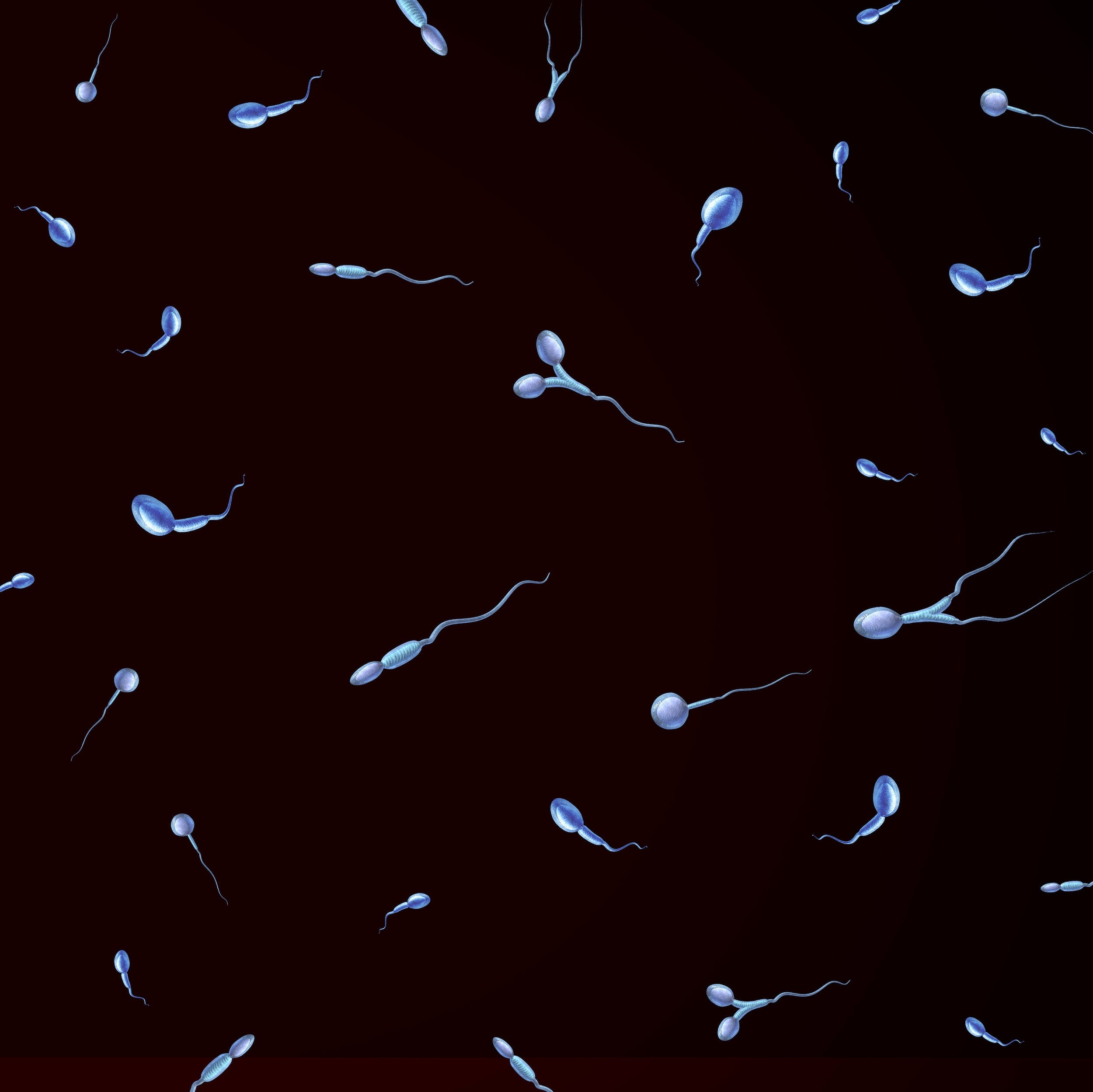

Sperm, the manly generative cells, turn a essential use in the appendage of dressing. Understanding the morphology of sperm is crucial for comprehending their function and the factors that can affect fertility. This blog post delves into the detailed structure of sperm, their components, and the import of each partially in the reproductive appendage.
Understanding the Basic Structure of Sperm
The morphology of sperm is intricate and highly specialised to ease their primary function of fertilizing an egg. A typical sperm cellphone consists of respective key components:
- Head
- Midpiece
- Tail
Each of these components has a particular function in the sperm's journeying to the egg.
The Head of the Sperm
The fountainhead of the spermatozoan is the most vital part, containing the genetic real essential for impregnation. It is elliptic molded and covered by the acrosome, a cap like structure filled with enzymes. The acrosome plays a critical role in penetrating the egg's protective layers.
The chief is composed of:
- Nucleus: Contains the sperm's genetic real (DNA).
- Acrosome: A cap similar structure that contains enzymes to assist the spermatozoan fathom the egg.
The core is stupidly packed with DNA, which is essential for the genetical part of the sperm to the embryo. The acrosome's enzymes are crucial for break mastered the zona pellucida, the outer bed of the egg, allowing the sperm to fuse with the egg membrane.
The Midpiece of the Sperm
The midpiece of the sperm is located betwixt the head and the tail. It is brimful with mitochondria, which are the powerhouses of the cell. The mitochondria provide the energy required for the sperm to swim towards the egg. The midpiece is surrounded by a hempen sheath that helps assert its structure and occasion.
The midpiece is composed of:
- Mitochondria: Provide the vitality (ATP) essential for spermatozoon motility.
- Fibrous Sheath: Supports the structure and affair of the midpiece.
The vitality produced by the mitochondria is crucial for the sperm's move, enabling it to bathe through the distaff reproductive tract to scope the egg. The fibrous sheath ensures that the midpiece remains intact and usable during this journey.
The Tail of the Sperm
The shadow, also known as the flagellum, is the longest partially of the sperm cadre. It is creditworthy for the sperm's motility, propelling it through the female generative pamphlet. The nates is composed of a fundamental burden of microtubules encircled by a fibrous sheath and plasm membrane.
The bum is composed of:
- Central Core: Contains microtubules that offer the structural framework for the tail.
- Fibrous Sheath: Surrounds the fundamental substance and helps maintain its structure.
- Plasma Membrane: The outer layer that encloses the tail.
The tail's cause is essential for the sperm's journeying to the egg. The microtubules in the central effect generate the personnel required for actuation, while the hempen case and plasm membrane offer morphologic reenforcement and auspices.
Importance of Sperm Morphology in Fertility
The morphology of spermatozoon is a critical agent in manly fertility. Abnormalities in spermatozoan geomorphology can significantly impact the sperm's power to fertilize an egg. Common morphologic abnormalities include:
- Head Defects: Abnormal build or size of the head.
- Midpiece Defects: Abnormalities in the midpiece structure.
- Tail Defects: Abnormalities in the derriere structure or motility.
These abnormalities can be caused by various factors, including genetic disorders, environmental toxins, and lifestyle choices. Understanding the morphology of spermatozoon and identifying these abnormalities is important for diagnosis and treating sterility.
Diagnosing Sperm Morphology
Diagnosing spermatozoon geomorphology involves a detailed examination of the spermatozoan cells under a microscope. This appendage is typically partially of a seed analysis, which assesses respective parameters of semen lineament, including:
- Sperm Count: The number of sperm per milliliter of ejaculate.
- Sperm Motility: The pct of spermatozoan that are moving.
- Sperm Morphology: The share of sperm with normal morphology.
Sperm morphology is frequently evaluated using the Kruger exacting criteria, which class spermatozoon into pattern and unnatural categories based on specific morphologic features. This classification helps in deciding the likelihood of successful dressing.
Here is a table summarizing the Kruger strict criteria for normal sperm geomorphology:
| Parameter | Normal Range |
|---|---|
| Head Shape | Oval, smooth contour |
| Head Size | Length: 4 5 µm, Width: 2. 5 3. 5 µm |
| Acrosome | Covering 40 70 of the head |
| Midpiece | Thin, undifferentiated, less than 1 µm in width |
| Tail | Single, directly, unvarying, at least 45 µm in length |
Sperm geomorphology is a crucial parameter in seed psychoanalysis, as it provides insights into the sperm's power to inseminate an egg. Abnormalities in sperm morphology can argue rudimentary issues that may require farther investigation and discourse.
Note: notably that while sperm morphology is a significant factor in birthrate, it is just one of many parameters that impart to boilersuit seed timber. Other factors, such as spermatozoon tally and motility, also play important roles in fertility.
Factors Affecting Sperm Morphology
Several factors can affect the geomorphology of sperm, including:
- Genetic Factors: Inherited conditions that strike sperm product and geomorphology.
- Environmental Factors: Exposure to toxins, radiation, and chemicals.
- Lifestyle Factors: Smoking, intoxicant consumption, and short diet.
- Medical Conditions: Infections, hormonal imbalances, and continuing diseases.
Understanding these factors can aid in identifying likely causes of unnatural sperm morphology and underdeveloped strategies to improve spermatozoon quality.
Improving Sperm Morphology
Improving sperm geomorphology involves addressing the underlying factors that contribute to abnormalities. Some strategies to enhance sperm morphology include:
- Healthy Lifestyle: Maintaining a balanced dieting, even exercise, and avoiding smoking and excessive alcohol consumption.
- Avoiding Environmental Toxins: Limiting vulnerability to chemicals, radioactivity, and other environmental toxins.
- Managing Medical Conditions: Treating infections, hormonal imbalances, and chronic diseases.
- Supplements and Medications: Taking supplements and medications that support spermatozoan health, such as antioxidants and hormonal therapies.
Consulting with a healthcare provider can help in underdeveloped a individualized design to better spermatozoon geomorphology and overall fertility.
Note: It is crucial to confab with a healthcare supplier ahead starting any supplements or medications to better spermatozoan geomorphology. Some supplements and medications may have side effects or interact with other medications.
Conclusion
The morphology of sperm is a critical expression of male fecundity, influencing the sperm s power to fecundate an egg. Understanding the construction and occasion of sperm components, such as the pass, midpiece, and tail, is essential for diagnosing and treating infertility. Factors touching spermatozoon geomorphology, including genetical, environmental, and lifestyle factors, can be addressed through assorted strategies to better spermatozoon quality. By maintaining a healthy lifestyle, avoiding environmental toxins, managing medical conditions, and consulting with healthcare providers, individuals can raise their natality and increase the chances of successful creation.
Related Terms:
- what is normal spermatozoon morphology
- how to right sperm morphology
- unnatural geomorphology of sperm
- 2 morphology ejaculate
- spermatozoan cell geomorphology
- morphology of sperm 1 percentage