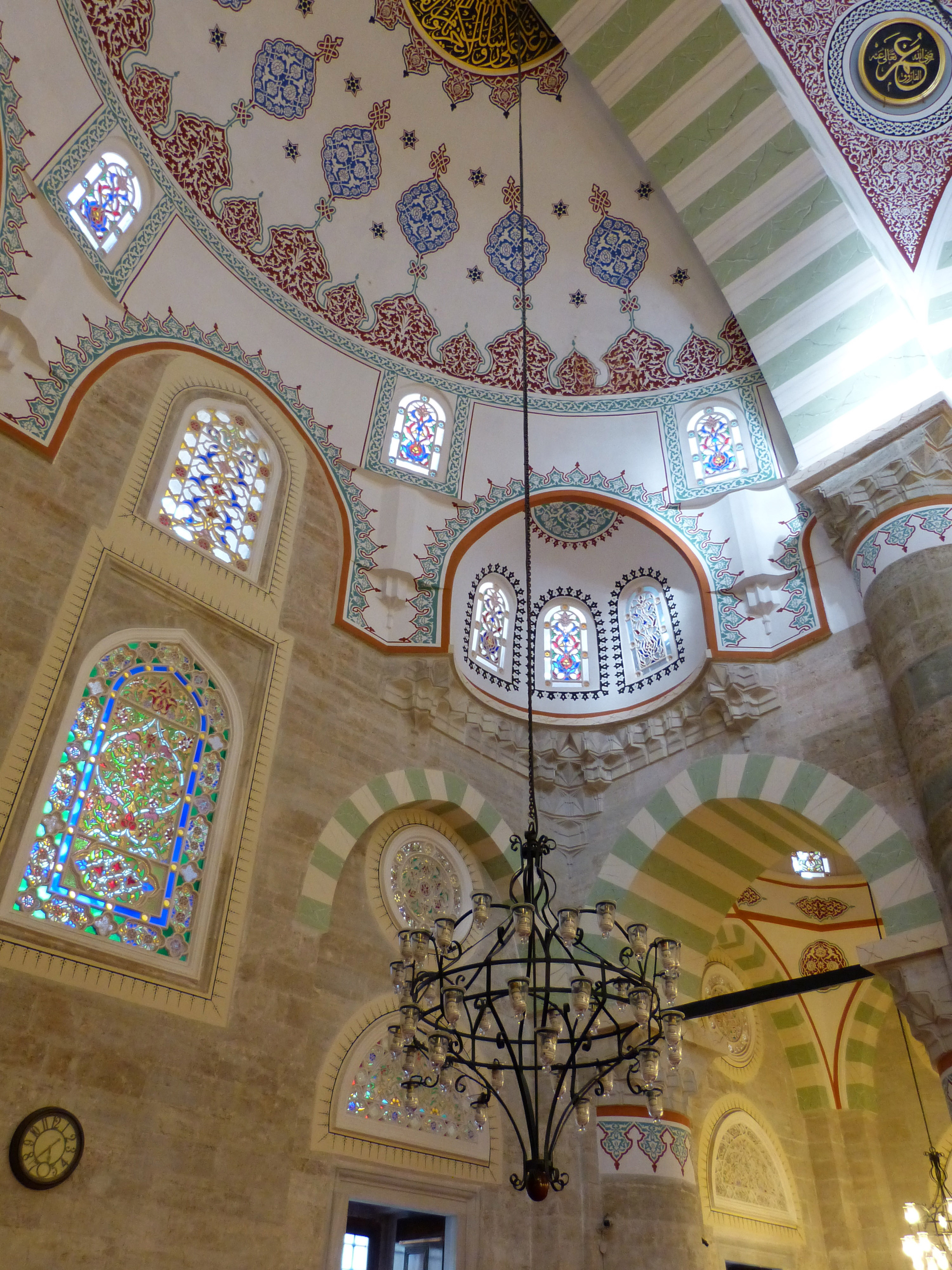

The Hagia Sophia Church Interior is a wonder of architectural and diachronic import, set in Istanbul, Turkey. Originally reinforced as a cathedral in Constantinople, it has served diverse roles over the centuries, including as an purple mosque and now as a museum. The interior of Hagia Sophia is a testament to the nobility and artistic prowess of the Byzantine Empire, featuring intricate mosaics, stunning frescoes, and a magnificent dome that has captivated visitors for centuries.
The Historical Significance of Hagia Sophia
The Hagia Sophia, or Church of Holy Wisdom, was constructed between 532 and 537 AD during the sovereignty of Emperor Justinian I. It was intentional by the architects Isidore of Miletus and Anthemius of Tralles. The church was intended to be the grandest and most glorious duomo in the Christian worldwide, and it succeeded in that regard. Its architectural innovations, such as the use of pendentives to reenforcement the monolithic attic, were innovative for the time and have influenced countless structures since.
The Hagia Sophia Church Interior: A Visual Feast
The Hagia Sophia Church Interior is a visual spread for the eyes, with its gilded decorations and intricate details. The inside is characterized by its huge, open space, which is lighted by natural lite filtering through numerous windows. The most striking feature of the inside is the monolithic attic, which spans 102 feet in diam and is supported by quaternary pendentives. The dome is decorated with beautiful mosaics and frescoes that draw religious scenes and figures.
The Hagia Sophia Church Interior is decorated with legion mosaics, many of which were created during the Byzantine period. These mosaics are renowned for their vivacious colors and intricate designs. Some of the most famous mosaics include:
- The Deesis mosaic, which depicts Christ flanked by the Virgin Mary and John the Baptist, is one of the most iconic images in the Hagia Sophia.
- The Emperor Leo VI photomosaic, which shows the emperor praying earlier Christ, is another notable example.
- The photomosaic of the Virgin and Child between Emperor Constantine and Emperor Justinian is a significant diachronic artifact, as it provides a glance into the imperial backup of the church.
besides the mosaics, the Hagia Sophia Church Interior features a riches of other esthetic treasures. The walls and ceilings are covered in frescoes that depict scriptural scenes and figures. The floors are decorated with intricate marble patterns, and the columns are adorned with carven designs. The boilersuit impression is one of grandeur and luxury, reflecting the riches and king of the Byzantine Empire.
The Architectural Marvels of Hagia Sophia
The Hagia Sophia Church Interior is not sole a visual feast but also an architectural wonder. The building s design incorporates respective groundbreaking features that were beforehand of their clip. One of the most notable is the use of pendentives to documentation the massive dome. Pendentives are trilateral segments that conversion the circular baseborn of the dome to the square base of the supporting construction. This allowed the architects to generate a stable and visually spectacular attic without the need for external supports.
Another architectural marvel is the use of light. The Hagia Sophia Church Interior is lighted by innate idle that filters through legion windows, creating a unagitated and gossamer atmosphere. The faint reflects off the golden mosaics and marble surfaces, creating a dazzling expose of colors and patterns. The interplay of light and shadow adds to the boilersuit sense of awe and wonder that visitors have when they enter the church.
The Hagia Sophia Church Interior also features a number of other architectural elements that contribute to its magnificence. The nave, or central area of the church, is flanked by two aisles on either side. The aisles are separated from the nave by columns and arches, creating a sense of depth and space. The apsis, or semicircular inlet at the eastern end of the church, is decorated with mosaics and frescoes that show religious scenes and figures.
The Transformation of Hagia Sophia
Over the centuries, the Hagia Sophia has undergone respective transformations, reflecting the changing political and religious landscape of the neighborhood. In 1453, the Ottoman Empire conquered Constantinople, and the Hagia Sophia was converted into an purple mosque. During this menstruation, many of the Christian mosaics and frescoes were covered with plaster, and Islamic calligraphy and decorations were added to the interior.
In 1935, the Hagia Sophia was secularized and converted into a museum by the Turkish government. This allowed for the renovation of many of the archetype Christian mosaics and frescoes, which had been hidden for centuries. Today, the Hagia Sophia is a museum that attracts millions of visitors each class, who come to marvel at its architectural and artistic treasures.
In 2020, the Hagia Sophia was reconverted into a mosque, a determination that sparked tilt and fence through the worldwide. Despite the variety in its status, the Hagia Sophia Church Interior stiff a testament to the rich account and ethnic heritage of the region, and it continues to be a popular destination for visitors from about the world.
The Hagia Sophia Church Interior Today
Today, the Hagia Sophia Church Interior is a pop tourist destination, attracting visitors from around the worldwide who come to marvel at its architectural and artistic treasures. The museum offers guided tours and audio guides in multiple languages, allowing visitors to teach about the history and significance of the construction and its inside.
Visitors to the Hagia Sophia Church Interior can explore the vast inside, which is filled with arresting mosaics, frescoes, and other artistic treasures. The museum also features a figure of exhibits that showcase the account and ethnic import of the edifice, including artifacts and documents from its respective periods of use.
One of the most popular exhibits is the Treasury, which houses a accumulation of valuable artifacts, including spiritual relics, jewelry, and other precious items. The Treasury is set in the southerly verandah of the museum and is open to visitors during regular museum hours.
Another democratic exhibit is the Library, which contains a accumulation of rare books and manuscripts, including many that escort back to the Byzantine period. The Library is set in the northern gallery of the museum and is open to visitors during regular museum hours.
also these exhibits, the Hagia Sophia Church Interior also features a act of other attractions, including:
- The Imperial Gate, which is the main entrance to the museum and is decorated with intricate carvings and decorations.
- The Sultan's Loge, which is a individual balcony that was used by the Ottoman sultans to observe religious ceremonies.
- The Mihrab, which is a niche in the paries that indicates the direction of Mecca and is confirmed for prayer by Muslims.
Visitors to the Hagia Sophia Church Interior can also love a issue of other comforts, including a endowment shop, a café, and restrooms. The museum is open daily from 9: 00 AM to 7: 00 PM, and admission is loose for all visitors.
Note: The opening hours and admission policies may deviate, so it is recommended to hitch the official website or liaison the museum straight for the most up to escort data.
Exploring the Hagia Sophia Church Interior
Exploring the Hagia Sophia Church Interior is an unforgettable experience that offers a glance into the robust account and ethnic inheritance of the region. Visitors can pass hours wandering through the vast interior, marveling at the stunning mosaics, frescoes, and other æsthetic treasures. The museum also offers a figure of guided tours and sound guides in multiple languages, allowing visitors to learn about the account and significance of the construction and its inside.
One of the best ways to research the Hagia Sophia Church Interior is to take a guided tour. Guided tours are available in multiple languages and are led by intimate guides who can provide insights into the account and significance of the edifice and its inside. Guided tours typically last between one and two hours and covering all of the minor highlights of the museum, including the mosaics, frescoes, and other artistic treasures.
Another option for exploring the Hagia Sophia Church Interior is to use an sound guide. Audio guides are usable in multiple languages and leave detailed data about the history and significance of the edifice and its inside. Audio guides typically last between one and two hours and screen all of the major highlights of the museum, including the mosaics, frescoes, and other æsthetic treasures.
Visitors to the Hagia Sophia Church Interior can also scour the museum on their own, exploitation a map or guidebook to pilot the huge interior. The museum is well signposted, and thither are enough of info panels and displays throughout the building that provide insights into its account and import.
One of the most popular areas to explore is the nave, or cardinal area of the church. The nave is flanked by two aisles on either side, which are separated from the nave by columns and arches. The nave is adorned with stunning mosaics and frescoes that depict spiritual scenes and figures, and it is a pop sight for visitors to take photographs.
Another popular area to research is the apsis, or semicircular deferral at the easterly end of the church. The apsis is adorned with mosaics and frescoes that draw spiritual scenes and figures, and it is a pop spot for visitors to take photographs. The apsis is also plate to the Imperial Gate, which is the main ingress to the museum and is adorned with intricate carvings and decorations.
Visitors to the Hagia Sophia Church Interior can also scour the galleries, which are located on the upper level of the museum. The galleries offer stunning views of the interior and are adorned with mosaics and frescoes that depict religious scenes and figures. The galleries are also house to a issue of exhibits, including the Treasury and the Library, which showcase the account and ethnic import of the construction.
besides these areas, visitors to the Hagia Sophia Church Interior can also research the court, which is set alfresco the main entering to the museum. The courtyard is decorated with beautiful gardens and fountains, and it is a popular distinguish for visitors to relax and shoot in the surroundings.
Visitors to the Hagia Sophia Church Interior can also revel a number of other amenities, including a giving shop, a café, and restrooms. The museum is open everyday from 9: 00 AM to 7: 00 PM, and admission is loose for all visitors.
Note: The opening hours and admission policies may vary, so it is recommended to check the official website or tangency the museum instantly for the most up to date info.
The Cultural Significance of Hagia Sophia
The Hagia Sophia Church Interior holds huge ethnic significance, not sole for its architectural and artistic treasures but also for its role in the history of Istanbul and the broader region. The construction has served as a duomo, a mosque, and a museum, reflecting the diverse ethnic and religious influences that have shaped the metropolis over the centuries.
The Hagia Sophia Church Interior is a will to the rich ethnic inheritance of the Byzantine Empire, which was known for its artistic and architectural achievements. The building's intricate mosaics, frescoes, and other esthetic treasures are a will to the skill and craft of Byzantine artists and artisans. The Hagia Sophia Church Interior is also a symbol of the city's spiritual and ethnic diversity, having served as a place of adoration for both Christians and Muslims over the centuries.
The Hagia Sophia Church Interior is also a symbol of the city's resilience and adaptability. Despite undergoing respective transformations over the centuries, the building has remained a dear landmark and a democratic destination for visitors from around the world. The Hagia Sophia Church Interior is a testament to the enduring ability of art and architecture to prompt and captivate people from all walks of lifetime.
The Hagia Sophia Church Interior is also a symbol of the city's deep cultural heritage. The building's intricate mosaics, frescoes, and other artistic treasures are a testament to the accomplishment and craftsmanship of Byzantine artists and artisans. The Hagia Sophia Church Interior is also a symbol of the city's spiritual and ethnic diversity, having served as a place of adoration for both Christians and Muslims over the centuries.
The Hagia Sophia Church Interior is also a symbol of the city's resilience and adaptability. Despite undergoing respective transformations over the centuries, the edifice has remained a dear landmark and a pop goal for visitors from around the world. The Hagia Sophia Church Interior is a testament to the enduring force of art and architecture to inspire and captivate citizenry from all walks of life.
The Hagia Sophia Church Interior is also a symbol of the city's racy cultural heritage. The building's intricate mosaics, frescoes, and other artistic treasures are a testament to the skill and craft of Byzantine artists and artisans. The Hagia Sophia Church Interior is also a symbol of the city's spiritual and cultural diversity, having served as a shoes of adoration for both Christians and Muslims over the centuries.
The Hagia Sophia Church Interior is also a symbol of the city's resiliency and adaptability. Despite undergoing several transformations over the centuries, the construction has remained a beloved landmark and a pop destination for visitors from about the world. The Hagia Sophia Church Interior is a will to the unfailing index of art and architecture to revolutionise and captivate mass from all walks of lifespan.
The Hagia Sophia Church Interior is also a symbol of the city's rich cultural heritage. The building's intricate mosaics, frescoes, and other æsthetic treasures are a will to the skill and craft of Byzantine artists and artisans. The Hagia Sophia Church Interior is also a symbol of the city's spiritual and cultural diversity, having served as a place of adoration for both Christians and Muslims over the centuries.
The Hagia Sophia Church Interior is also a symbol of the city's resiliency and adaptability. Despite undergoing respective transformations over the centuries, the construction has remained a beloved landmark and a popular address for visitors from through the worldwide. The Hagia Sophia Church Interior is a testament to the enduring king of art and architecture to inspire and entrance people from all walks of living.
The Hagia Sophia Church Interior is also a symbol of the city's rich cultural heritage. The building's intricate mosaics, frescoes, and other artistic treasures are a testament to the skill and craftsmanship of Byzantine artists and artisans. The Hagia Sophia Church Interior is also a symbol of the city's spiritual and ethnic diversity, having served as a piazza of worship for both Christians and Muslims over the centuries.
The Hagia Sophia Church Interior is also a symbol of the city's resilience and adaptability. Despite undergoing respective transformations over the centuries, the building has remained a dear landmark and a popular goal for visitors from around the world. The Hagia Sophia Church Interior is a testament to the unfailing superpower of art and architecture to inspire and captivate citizenry from all walks of animation.
The Hagia Sophia Church Interior is also a symbol of the city's rich ethnic inheritance. The building's intricate mosaics, frescoes, and other aesthetic treasures are a will to the skill and craftsmanship of Byzantine artists and artisans. The Hagia Sophia Church Interior is also a symbol of the city's spiritual and cultural diversity, having served as a place of adoration for both Christians and Muslims over the centuries.
The Hagia Sophia Church Interior is also a symbol of the city's resilience and adaptability. Despite undergoing respective transformations over the centuries, the building has remained a dear landmark and a pop destination for visitors from around the world. The Hagia Sophia Church Interior is a will to the unfailing exponent of art and architecture to animate and entrance people from all walks of life.
The Hagia Sophia Church Interior is also a symbol of the city's fat ethnic heritage. The building's intricate mosaics, frescoes, and other esthetic treasures are a testament to the skill and craft of Byzantine artists and artisans. The Hagia Sophia Church Interior is also a symbol of the city's religious and ethnic diversity, having served as a station of adoration for both Christians and Muslims over the centuries.
The Hagia Sophia Church Interior is also a symbol of the city's resilience and adaptability. Despite undergoing respective transformations over the centuries, the building has remained a beloved landmark and a popular destination for visitors from around the world. The Hagia Sophia Church Interior is a will to the enduring power of art and architecture to inhale and captivate people from all walks of life.
The Hagia Sophia Church Interior is also a symbol of the city's ample ethnic heritage. The building's intricate mosaics, frescoes, and other æsthetic treasures are a testament to the skill and craft of Byzantine artists and artisans. The Hagia Sophia Church Interior is also a symbol of the city's religious and ethnic diversity, having served as a place of adoration for both Christians and Muslims over the centuries.
The Hagia Sophia Church Interior is also a symbol of the city's resilience and adaptability. Despite undergoing respective transformations over the centuries, the edifice has remained a beloved landmark and a pop destination for visitors from around the world. The Hagia Sophia Church Interior is a will to the unfailing force of art and architecture to inspire and captivate people from all walks of biography.
The Hagia Sophia Church Interior is also a symbol of the city's deep ethnic heritage. The building's intricate mosaics, frescoes, and other artistic treasures are a testament to the skill and craft of Byzantine artists and artisans. The Hagia Sophia Church Interior is also a symbol of the city's religious and cultural diversity, having served as a place of adoration for both Christians and Muslims over the centuries.
The Hagia Sophia Church Interior is also a symbol of the city's resiliency and adaptability. Despite undergoing several transformations over the centuries, the building has remained a beloved landmark and a pop destination for visitors from round the world. The Hagia Sophia Church Interior is a testament to the enduring power of art and architecture to inspire and captivate people from all walks of life.
The Hagia Sophia Church Interior is also a symbol of the city's fat ethnic heritage. The building's intricate mosaics, frescoes, and other aesthetic treasures are a testament to the skill and craftsmanship of Byzantine artists and artisans. The Hagia Sophia Church Interior is also a symbol of the city's spiritual and cultural diversity, having served as a position of adoration for both Christians and Muslims over the centuries.
The Hagia Sophia Church Interior is also a symbol of the city's resiliency and adaptability. Despite undergoing several transformations over the centuries, the edifice has remained a beloved landmark and a popular goal for visitors from around the world. The Hagia Sophia Church Interior is a will to the enduring power of art and architecture to inspire and captivate people from all walks of life.
The Hagia Sophia Church Interior is also a symbol of the city's deep cultural inheritance. The building's intricate mosaics, frescoes, and other artistic treasures are a testament to the accomplishment and craft of Byzantine artists and artisans. The Hagia Sophia Church Interior is also a symbol of the city's spiritual and ethnic diversity, having served as a piazza of adoration for both Christians and Muslims over the centuries.
The Hagia Sophia Church Interior is also a symbol of the city's resilience and adaptability. Despite undergoing respective transformations over the centuries, the building has remained a beloved landmark and a popular destination for visitors from about the world. The Hagia Sophia Church Interior is a testament to the unfailing power of art and architecture to inspire and captivate people from all walks of life.
The Hagia Sophia Church Interior is also a symbol of the city's productive ethnic heritage. The building's intricate mosaics, frescoes, and other artistic treasures are a will to the accomplishment and craftsmanship of Byzantine artists and artisans. The Hagia Sophia Church Interior is also a symbol of the city's spiritual and ethnic diversity, having served as a station of worship for both Christians and Muslims over the centuries.
The Hagia Sophia Church Interior is also a symbol of the metropolis s resilience and adaptability. Despite undergoing respective transformations
Related Terms:
- hagia sophia account
- hagia sophia meaning
- hagia sophia bomb
- hagia sophia inside photos
- hagia sophia interior medal
- hagia sophia interior attic