
Electrocardiography (ECG) is a rudimentary pecker in cardiology, providing invaluable insights into the electric activity of the pump. Among its many applications, the Electrocardiography of Arrhythmias stands out as a critical area of centering. Arrhythmias, or abnormal heart rhythms, can range from benign to life threatening, qualification accurate diagnosis and direction crucial. This post delves into the intricacies of ECG in the context of arrhythmias, exploring how this diagnostic peter aids in identifying and managing assorted types of heart cycle disorders.
Understanding Arrhythmias
Arrhythmias are disturbances in the spunk s electric system that touch the rhythm and pace of the beat. They can be categorized into several types, each with distinct characteristics and implications. The most common types include:
- Bradyarrhythmias: Slow substance rhythms, much due to issues with the bosom s consanguineous pacer or conduction system.
- Tachyarrhythmias: Fast heart rhythms, which can be farther shared into supraventricular (supra the ventricles) and ventricular (inside the ventricles) tachycardias.
- Atrial Fibrillation (AFib): An unpredictable and often rapid bosom pace that can addition the hazard of stroking and heart loser.
- Ventricular Fibrillation (VFib): A chaotic and disorganized heart cycle that can be black if not treated immediately.
The Role of Electrocardiography in Arrhythmia Diagnosis
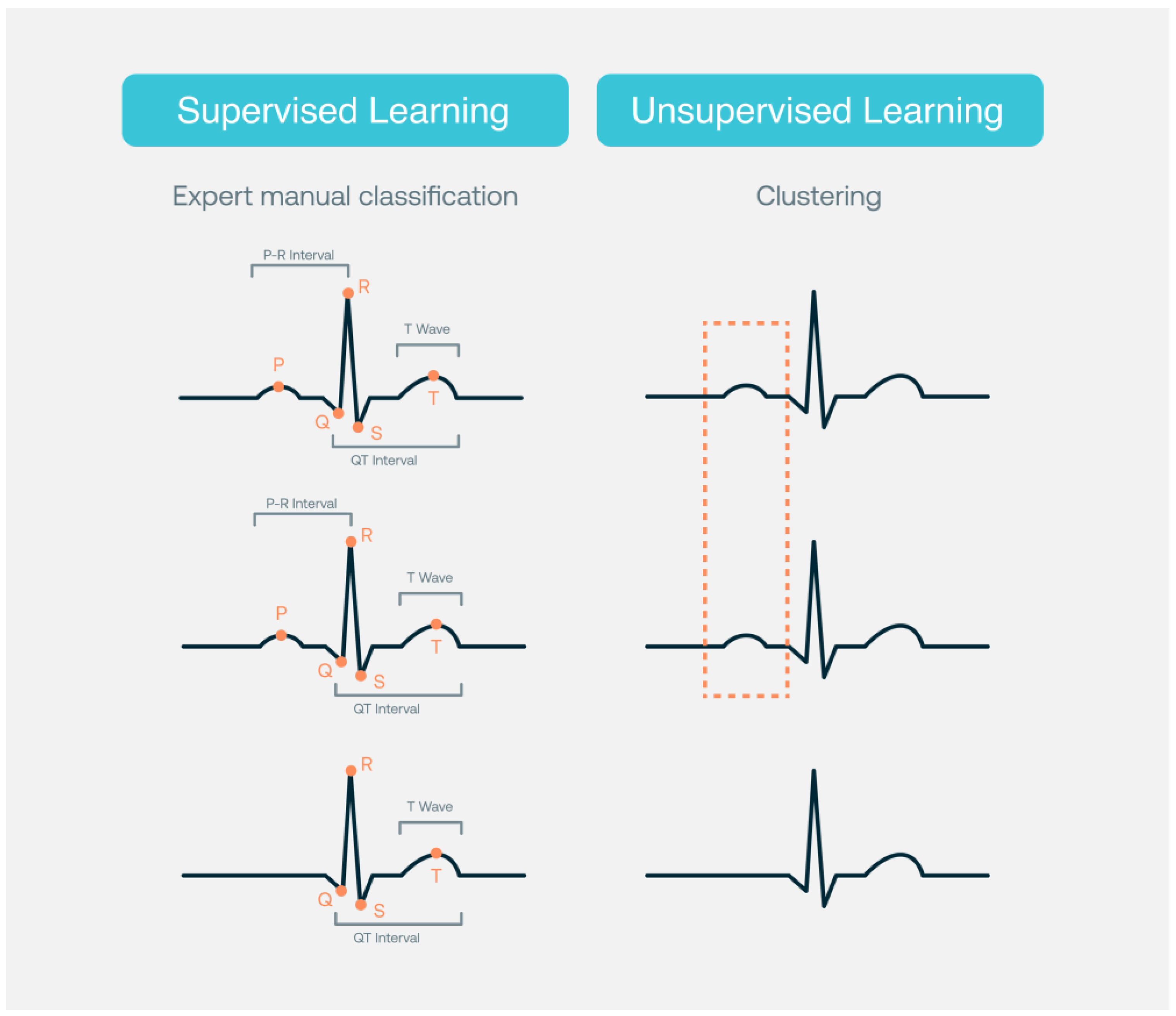
Electrocardiography is the gold received for diagnosis arrhythmias. By recording the electrical signals produced by the affection, ECG provides a visual representation of the heart s activity over time. This info is crucial for identifying the type and asperity of an arrhythmia. Key components of an ECG include:
- P Wave: Represents atrial depolarization.
- QRS Complex: Represents ventricular depolarization.
- T Wave: Represents ventricular repolarization.
Each of these components can provide clues about the presence and nature of an arrhythmia. for instance, an unnatural P waving might argue an publication with the atrial conduction, while a widened QRS complex could hint a ventricular arrhythmia.
Common Arrhythmias and Their ECG Characteristics
Different types of arrhythmias have distinct ECG patterns. Understanding these patterns is essential for accurate diagnosis and handling. Below are some common arrhythmias and their distinction ECG features:
| Arrhythmia Type | ECG Characteristics |
|---|---|
| Atrial Fibrillation (AFib) | Irregularly atypical rhythm, absence of P waves, and varying R R intervals. |
| Atrial Flutter | Regular, speedy atrial pace (usually 250 350 beats per minute) with sawtooth rule in leads II, III, and aVF. |
| Ventricular Tachycardia (VT) | Wide QRS complexes (0. 12 seconds), even rhythm, and rate typically 100 beats per infinitesimal. |
| Supraventricular Tachycardia (SVT) | Narrow QRS complexes, steady beat, and rate typically 100 beats per narrow. |
| Bradycardia | Heart rate 60 beats per minute, often with pattern P waves and QRS complexes. |
These characteristics assist clinicians mark between diverse types of arrhythmias and seamster intervention plans accordingly.
Advanced Techniques in Electrocardiography of Arrhythmias
While standard 12 lead ECG is the foundation of arrhythmia diagnosing, ripe techniques can leave extra insights. These include:
- Holter Monitoring: A portable twist that records the spunk s electric action continuously for 24 48 hours, capturing intermittent arrhythmias that may not be evident on a received ECG.
- Event Recorders: Similar to Holter monitors but intentional to read only when symptoms pass, making them useful for infrequent arrhythmias.
- Implantable Loop Recorders: Small devices implanted below the skin that can monitor heart rhythms for up to iii years, providing longsighted term data on arrhythmias.
- Electrophysiology Studies (EPS): Invasive procedures that involve inserting catheters into the substance to map electric action and identify the informant of arrhythmias.
These advanced techniques complement standard ECG, oblation a more comprehensive prospect of the heart's electrical activity and aiding in the direction of complex arrhythmias.
Note: Advanced techniques should be confirmed in conjunction with received ECG for a thoroughgoing evaluation of arrhythmias. They are peculiarly useful in cases where symptoms are intermittent or the stock ECG is inconclusive.
Management and Treatment of Arrhythmias
Once an arrhythmia is diagnosed using Electrocardiography of Arrhythmias, the adjacent footfall is to determine the capture management and treatment strategy. Treatment options deviate depending on the case and severity of the arrhythmia. Common approaches include:
- Medications: Antiarrhythmic drugs, beta blockers, calcium duct blockers, and anticoagulants are much secondhand to ascendence heart rate and beat.
- Cardioversion: A operation that uses electrical shocks to restore a normal mettle rhythm, typically used for atrial fibrillation and ventricular tachycardia.
- Catheter Ablation: A minimally invasive procedure that uses radiofrequency energy to destroy the abnormal weave causing the arrhythmia.
- Implantable Cardioverter Defibrillators (ICDs): Devices implanted in the bureau to reminder heart round and deliver shocks if a biography ominous arrhythmia is detected.
- Pacemakers: Devices that use electric impulses to baffle the heart s rhythm, particularly useful for bradyarrhythmias.
The quality of handling depends on versatile factors, including the patient's overall health, the type of arrhythmia, and the front of underlying heart disease.
Challenges and Future Directions in Electrocardiography of Arrhythmias
Despite its effectuality, Electrocardiography of Arrhythmias faces several challenges. These include:
- Interpretation Complexity: ECG reading requires specialised preparation and experience, and misdiagnosis can occur, peculiarly in complex cases.
- Technological Limitations: Standard ECG may not seizure intermittent arrhythmias, necessitating the use of advanced monitoring techniques.
- Patient Compliance: Long term monitoring devices require patient abidance, which can be challenging for some individuals.
Future advancements in engineering, such as unreal intelligence and machine encyclopaedism, hold promise for improving the accuracy and efficiency of ECG interpretation. These technologies can assistance in detecting insidious patterns and predicting arrhythmia jeopardy, enhancing the symptomatic capabilities of Electrocardiography of Arrhythmias.
Additionally, wearable devices and distant monitoring systems are becoming more prevalent, allowing for uninterrupted ECG monitoring and real time information transmission to healthcare providers. These innovations can importantly improve the direction of arrhythmias, especially in patients with inveterate conditions.
to resume, Electrocardiography of Arrhythmias is a critical pecker in the diagnosing and direction of philia rhythm disorders. By providing elaborate insights into the pump s electric activity, ECG enables clinicians to place and dainty arrhythmias efficaciously. Advanced techniques and future technological advancements are poised to further enhance the capabilities of ECG, ensuring better outcomes for patients with arrhythmias. The continuous evolution of this symptomatic instrument underscores its enduring importance in cardiology, offering promise for improved patient care and direction of heart rhythm disorders.
Related Terms:
- treatment of arrhythmias
- types of rhythm ecg
- how is arrhythmia hardened
- cardiac arrhythmia test results
- arrhythmia prospect
- unusual ecg rhythms