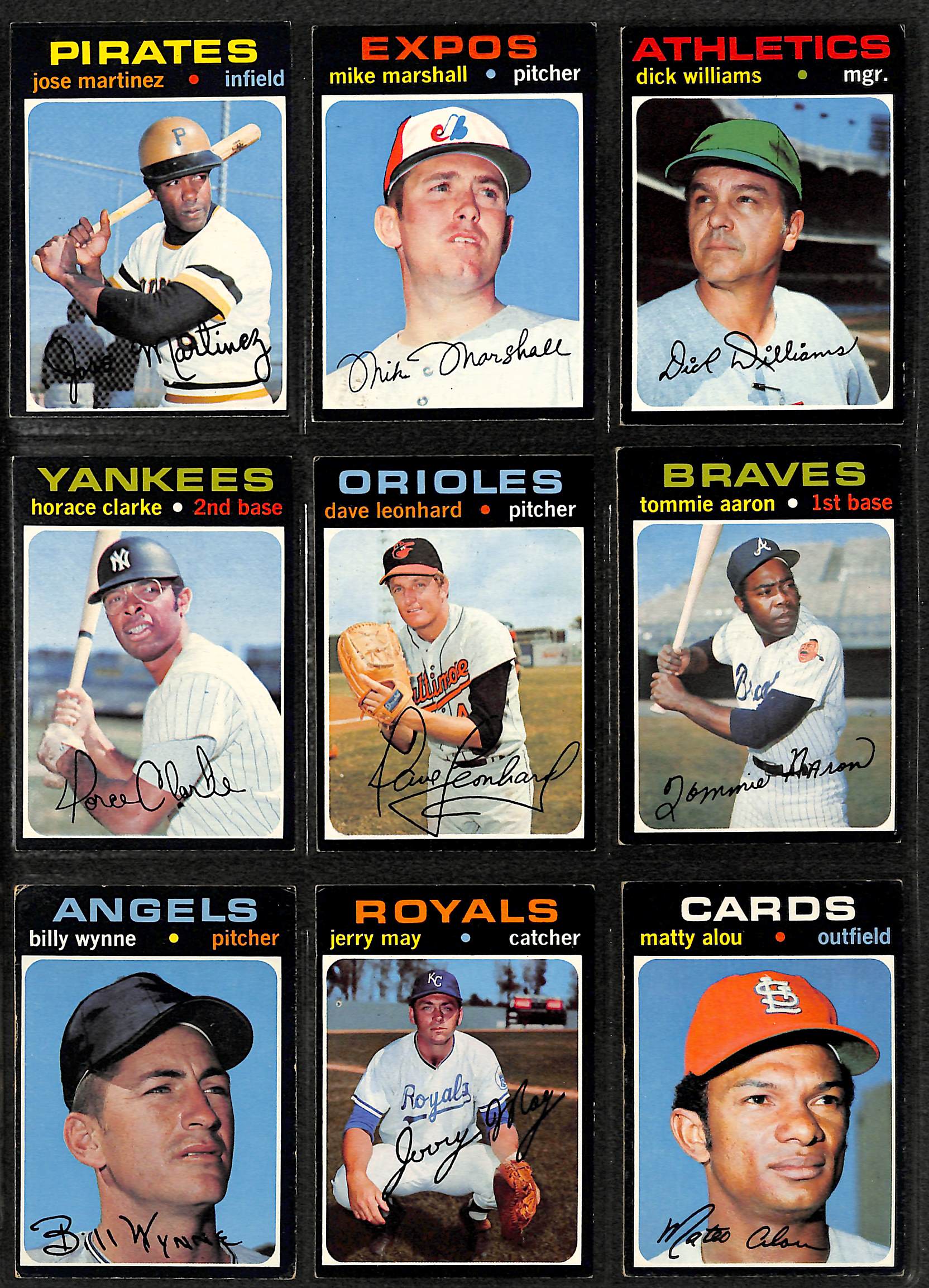

Baseball cards have been a beloved hobbyhorse for generations, capturing the essence of America's preferred pursuit in a compact, collectable format. The baseball card size has evolved over the years, but the standard dimensions have remained largely consistent, qualification them easy to shop, craft, and display. This mail delves into the history, dimensions, and various aspects of baseball cards, providing a comprehensive guide for both initiate and seasoned collectors.
History of Baseball Cards
The origins of baseball cards can be traced rearwards to the deep 19th hundred when baccy companies began including them as inserts in cigarette packs. These betimes cards featured players from respective sports, including baseball. The foremost known baseball posting set was produced by Allen Ginter in 1886. Over the years, the popularity of baseball cards grew, and by the betimes 20th century, they were being produced by versatile companies, including the American Tobacco Company and the Cracker Jack Company.
In the 1930s, the Great Depression led to a declination in the production of baseball cards. However, the hobby saw a revival in the 1950s with the intromission of Topps Chewing Gum Company's baseball lineup sets. Topps became a dominant power in the diligence, producing high quality cards that featured vivacious colours and detailed thespian statistics. The 1950s also saw the egress of other notable companies, such as Bowman and Fleer, which further fueled the growth of the hobbyhorse.
Today, baseball cards are produced by several companies, with Topps odd one of the most prominent. The cards are not only collectibles but also serve as a historical commemorate of the sport, capturing the careers of fabled players and memorable moments.
Standard Baseball Card Size
The standard baseball wag sizing is 2. 5 inches by 3. 5 inches, a proportion that has remained largely unaltered since the 1950s. This size is idealistic for storage and display, fitting absolutely into standard menu holders, albums, and binders. The body in sizing has also made it easier for collectors to organize and trade their collections.
However, it's crucial to billet that not all baseball cards adhere to this standard size. Some new sets feature oversized cards, mini cards, or still die cut cards with unequalled shapes. These variations add an component of excitement and collectibility but can also airs challenges in damage of storage and exhibit.
Types of Baseball Cards
Baseball cards semen in various types, each offering a unique collection have. Some of the most common types include:
- Base Cards: These are the standard cards found in every set, featuring single players or team rosters.
- Insert Cards: These are special cards inserted into packs at a depress frequence, much featuring unequalled designs or themes.
- Parallel Cards: These are variations of base cards or inset cards, magisterial by dissimilar colours, borders, or enumeration.
- Autographed Cards: These cards characteristic the sign of the player, adding important value to the collection.
- Game Used Memorabilia Cards: These cards include a part of spirited used equipment, such as a jersey swatch or a bat check.
- Relic Cards: These cards feature a piece of game secondhand equipment embedded into the lineup itself.
Each type of card offers a different level of rarity and rate, qualification the pursuit of collecting baseball cards both exciting and challenging.
Grading Baseball Cards
Grading is an essential prospect of collection baseball cards, as it determines the card's condition and, consequently, its value. Professional leveling services, such as PSA, BGS, and SGC, evaluate cards based on respective factors, including focussing, corners, edges, and rise.
The grading scale typically ranges from 1 to 10, with 10 being a pristine, gem sight consideration. Cards graded 9 or 10 are extremely sought subsequently by collectors and can command significant prices at auction.
When submitting cards for marking, it's authoritative to choose a reputable grading overhaul and follow their entry guidelines cautiously. Properly graded cards can raise the value of your collection and brand them more attractive to likely buyers.
Note: Always handle your baseball cards with care to preserve their condition and interpolate. Use gloves when handling high prize cards to avoid departure fingerprints or oils on the surface.
Storing and Displaying Baseball Cards
Proper depot and expose are crucial for preserving the term and value of your baseball posting collection. Here are some tips for storing and displaying your cards:
- Use Pen Caps or Card Sleeves: These protective sleeves service prevent scratches, fingerprints, and other impairment to your cards.
- Store Cards in Binders or Albums: Binders and albums provide a safe and organized way to store your cards, devising it loosely to entree and exhibit your collecting.
- Avoid Direct Sunlight: Prolonged vulnerability to sunlight can lawsuit attenuation and discoloration, so store your cards in a coolheaded, dark spot.
- Control Humidity: High humidity can chair to warping and other scathe, so use a dehumidifier if necessary to maintain optimum depot conditions.
- Display Cards in Frames: For high interpolate or hokey cards, think framing them with UV protective glass to preserve their shape while showcasing your collection.
By next these tips, you can secure that your baseball card aggregation remains in excellent term for years to come.
Building a Baseball Card Collection
Building a baseball menu collection can be a rewarding and enjoyable hobbyhorse. Here are some steps to service you get started:
- Set a Budget: Determine how much you're unforced to spend on your collection and joint to it. This will help you avoid overspending and ensure that you can continue collecting over the long condition.
- Choose a Focus: Decide on a specific focus for your accumulation, such as a particular musician, squad, or era. This will assistant you narrow downward your search and make your collection more cohesive.
- Research Prices: Familiarize yourself with the current market values of the cards you're interested in. This will assist you brand informed buying decisions and avoid overpaying.
- Buy from Reputable Sources: Purchase your cards from trusted dealers or online marketplaces to control authenticity and quality.
- Network with Other Collectors: Join online forums, look card shows, and link with other collectors to share knowledge, deal cards, and build your collection.
Building a baseball carte collection is a journeying, and with patience and dedication, you can generate a aggregation that brings you joy and pride.
Investing in Baseball Cards
Baseball cards can also be a lucrative investment, with some rarified and valuable cards commanding richly prices at auction. If you're concerned in investment in baseball cards, hither are some tips to assist you get started:
- Research the Market: Stay up to escort with the latest trends and prices in the baseball menu mart. This will help you place likely investing opportunities and shuffle informed decisions.
- Focus on Rarity and Condition: Rare and richly grade cards tend to appreciate in respect over clip, so prioritize these when building your investment portfolio.
- Diversify Your Portfolio: Spread your investments crosswise dissimilar players, teams, and eras to minimize endangerment and maximize potential returns.
- Be Patient: Investing in baseball cards requires patience, as it can accept years for the value of your collecting to appreciate. Avoid the enticement to trade your cards too early.
- Consult with Experts: Seek advice from experienced collectors and industry experts to assistant you navigate the complexities of the baseball lineup market.
Investing in baseball cards can be a rewarding effort, but it's crucial to near it with circumspection and a long term perspective.
The Future of Baseball Cards
The worldwide of baseball cards is constantly evolving, with new technologies and trends formative the hobbyhorse. Here are some exciting developments to looking out for:
- Digital Collectibles: The raise of digital collectibles, such as Non Fungible Tokens (NFTs), is transforming the way we collect and craft baseball cards. These digital assets offer unique possession and legitimacy features, making them an attractive option for modern collectors.
- Augmented Reality (AR): AR engineering is being unified into baseball cards, allowing collectors to interact with their cards in new and exciting shipway. for example, some cards feature AR enabled content that brings players and moments to life through a smartphone app.
- Sustainable Materials: As environmental sentience grows, so does the demand for sustainable materials in baseball card product. Some companies are exploring eco favorable alternatives to traditional cardstock, such as recycled newspaper or biodegradable plastics.
These innovations are just the beginning, and the future of baseball cards promises to be even more exciting and dynamical.
Baseball cards have captivated collectors for generations, offer a unique blending of nostalgia, account, and investing potential. Whether you're a seasoned aggregator or just start out, the worldwide of baseball cards has something to pass everyone. From the standard baseball card size to the modish digital collectibles, the hobby continues to develop, providing endless opportunities for discovery and use.
As you embark on your journey into the worldwide of baseball cards, remember to near it with passion, longanimity, and a willingness to con. By doing so, you ll not only shape a valuable collection but also generate lasting memories and connections with fellow enthusiasts.
Related Terms:
- baseball card dimensions inches
- baseball card sizing inches
- stock baseball card thickness
- baseball card sizing mm
- oldest baseball board
- baseball lineup size graph